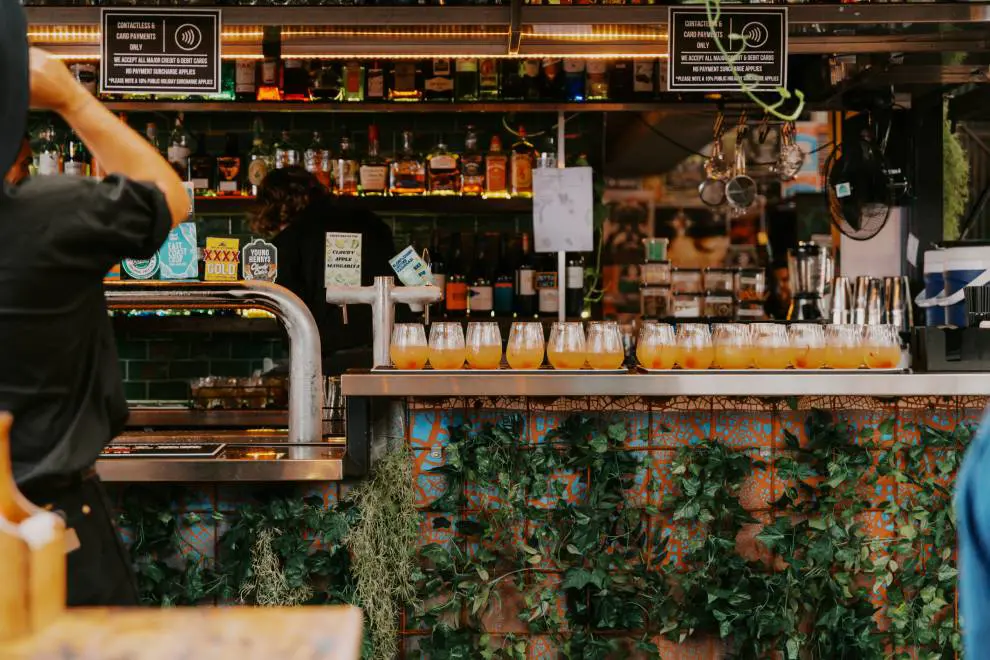
Queensland has been crowned the beer capital of Australia, according to a new study.
In late June, the State of the Hops report was unveiled and showcased purchasing data for alcohol stores, Dan Murphy’s, and BWS. In Daily QLD reports that the state is the leader in mid-strength drink purchases and in bulk purchases such as 30-packs.
The report also indicated that people in New South Wales drink more Chinese beer than other states, while UK beer is on the rise in Western Australia, and New Zealand beer in Queensland.
Mid-strength beer has also overtaken full-strength drinks. While full-strength beer remains the #1 style by dollar value, purchase volume has been declining since 2020.
In addition to the increase in popularity for mid-strength beers, low-alcohol, non-alcoholic, and low-carb beer are also on the rise. Non-alcoholic beer has experienced its 11th consecutive year of growth.
The State of the Hops report was published for the first time last week and built upon the inaugural State of the Grape report, which spotlighted wines.
Craig Masterton, Co-founder and Director of the Queensland brewery Heads of Noosa, commented that beer is “part of life” for Queenslanders, The Shout reports.
Masterton said, “Beer is just part of life up here in Queensland. The warm weather, the outdoor lifestyle, the way we get together over a cold one, it all adds up. Queensland also lends itself to refreshing, mid-strength styles such as our Lager 3.5. People long for a beer they can enjoy a few of without it knocking them around, and in our climate that matters.”
Gill Webb, General Manager of Merchandise at BWS, discussed the dynamic beer drinking habits across Australia.
“We’ve seen a huge transformation in the Australian beer market, with Aussie beer drinkers now more adventurous and discerning than ever,” Webb said. “Rather than a single dominant trend, our data reveals a multi-faceted market.
“For brewers, brands, and retailers, the message from this report is clear. Navigating this exciting new era of beer requires a hyper-localised approach. Simply put, the days of the ‘typical’ beer shopper are officially behind us.”