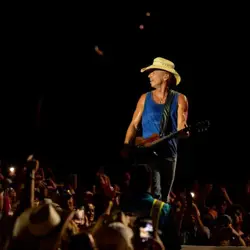
 Kenny Chesney Profile
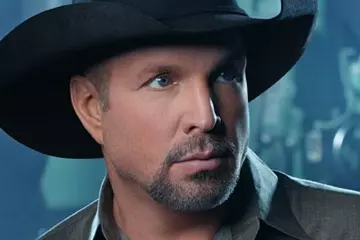
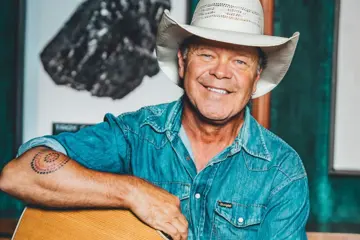
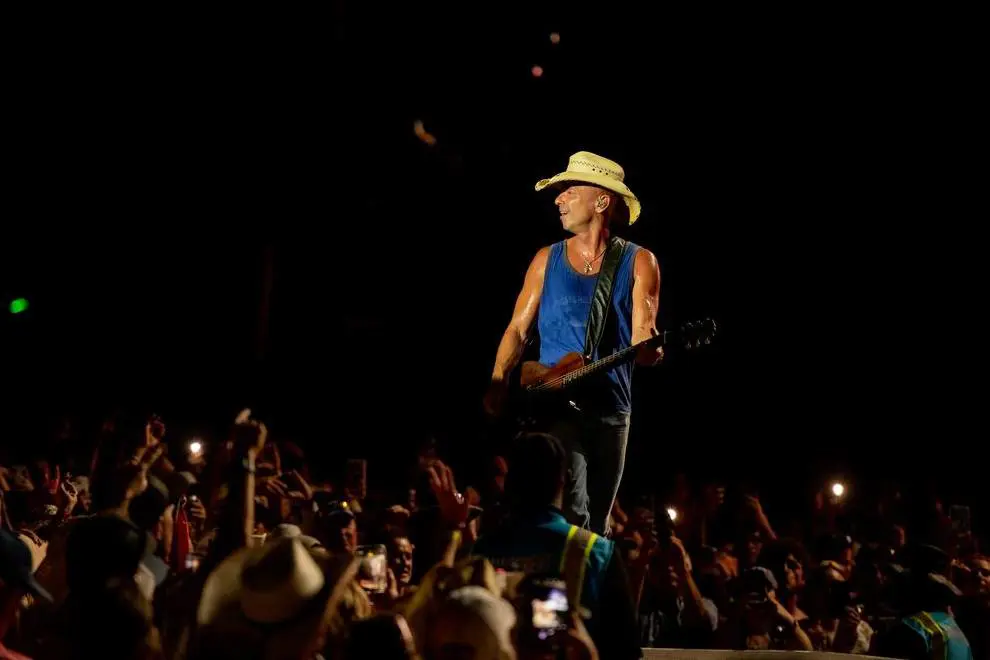
Kenny Chesney has been cleared following a court battle in which he was sued after a woman lost USD$300,000 to a scammer impersonating the country music icon.
The story itself traces back more than five years to when, in February 2021, an individual pretending to be Chesney contacted Patricia Linson via LinkedIn, claiming he was "experiencing financial difficulties and needed her to forward him several hundred thousand dollars".
According to the ruling, these funds were needed so that the musician could "appear at a country music awards show, repair damaged instruments, create new music videos, and help finance other aspects of his music business".
That April, Linson agreed to loan the impersonator USD$300k under the notion it would be repaid in a matter of months. Ultimately, a total of USD$310k was sent to an individual named Nayri Apelian, who the impersonator said was Chesney's "partner".
After none of the money was repaid to Linson, she took the matter to court, naming Chesney, Apelian, and an additional defendant in her complaint.
Chesney faced numerous accusations from Linson – not limited to fraud and civil conspiracy – whose complaint revolved around the allegation that Chesney was in fact aware of the fact he was being impersonated and therefore owed a duty to "warn and protect her against such scams, including by posting warnings about such scams on his website and social media accounts".
Additionally, Linson also alleged that "an unknown employee" of Chesney's "may have aided and abetted the impersonator" by way of leaking confidential information to the impersonator.
However, Linson's claims did not hold up in court, and while Chesney was initially dismissed from the lawsuit, the appeals court this month reaffirmed that "Chesney did not owe her a duty to warn or protect her against the impersonator’s scam".
As a result of her legal loss, the court has held that Linson must pay for Chesney's legal expenses. In a statement shared to Billboard, Linson's lawyer – Ronda Baldwin-Kennedy – explained that she and her client disagreed with the ruling.
“The law must keep pace with modern commerce,” Baldwin-Kennedy said. “A celebrity business should not escape its basic duty to warn customers of a known danger merely because its storefront is online rather than on Main Street.”
Chesney isn't alone in having his identity adopted by scammers. Earlier this month, Beccy Cole shared a wild story in which she was contacted by a fan who claimed to have been chatting to the Australian musician.
However, even when presented with evidence that this was not the case, the duped fan stood their ground and denied they were being taken for a ride. Should Cole ever be taken to court, of course, at least she can rest assured knowing she did her due diligence in publicising the fact scammers are out there, attempting to be her.